Skip to content

MONOM — Additive and Advanced Manufacturing

Functional prototypes, finished parts, small and medium production runs, and large volumes delivered in batches throughout the year. We always start from the need, never from the machine.

From form → to finished part

Form and making

A · Form

Anything can start from a form.

A spare part that no longer exists, a custom part, a component to improve, a series to produce without a mould or the mould itself, an idea that has yet to become an object.

We always start from the need. Never from the machine.
B · Making

First we understand the part. Then we give it shape.

We get to the finished part by first understanding where it works, what it has to withstand, how many are needed and how it should look. The answers choose the technology, the material and the processes.

The job is done when the part is ready to do what it was made for.

About us

We are three partners who grew up between industry and the workshop, each with a different background in study and work: skills that complement each other.

How we work

  • We speak your language

    We know a company's needs because we live them every day. That is why we speak the same language as our clients.

  • A network of industrial partners

    Our skills are backed by a network of industrial partners we work with on a regular basis, from prototype to series.

  • From first conversation to delivered part

    We work alongside you at every stage, from the first idea to the finished, delivered part.

  • Less time, lower costs

    MONOM is a young company that helps businesses cut production times and costs.

From consulting to series production

Every job follows the same path, but not every job starts at the same point. You can hand us the whole process, from idea to delivered part, or just the stage you need.

  1. Technical consulting

    We help you work out what the part really needs. When the project calls for it, we bring in external specialists, such as engineers for the calculations.

  2. Analysis and 3D scanning

    We study the part and assess its feasibility. If there is no file, we 3D-scan it.

  3. Design and reverse engineering

    We design, redesign or rebuild parts that are no longer available or need improving, keeping the original's dimensions, mounting points and function.

  4. Technology and material

    We choose the technology and material best suited to where the part works and what it has to withstand.

  5. 3D printing

    Prototypes, one-off parts and spare parts, in-house or with our industrial partners.

  6. Batch production

    Small and medium runs, including annual planning for companies: production delivered in batches throughout the year.

  7. Post-processing

    Surface finishing and treatments, when the part needs them.

  8. Finish

    Delivery

    The part arrives ready to do what it was designed for.

Materials

Automotive · Industrial · Mechanical · Design · Architecture · Art · And beyond

The world of 3D printing materials is far wider than most people think. What decides is not the sector, but how the component is developed and what it has to do.

  • Thermoplastics

    From basic materials to high-performance engineering polymers.

  • Composites

    Fibre-reinforced polymers, for stiffness and low weight.

  • Elastomers

    Flexible materials to absorb shocks and vibrations or to provide a seal.

  • Resins

    Detail and precision, from standard to engineering grades.

  • On request

    Metals

    For structural parts and extreme working conditions.

  • On request

    Certified materials

    Suitable for regulated uses, such as food contact or flame resistance.

Some materials and technologies, such as metals and certified materials, are not part of our day-to-day production: we make them available on request, assessing each project together with the client.

Technologies

From small precision components to large-format parts: each technology has its own way of building the part and its own build volume.

FDM

Fused filament, deposited layer by layer.
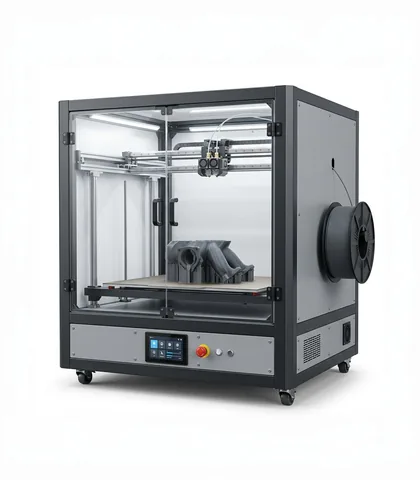
Filament (FDM) 3D printer with an enclosed chamber and a side-mounted spool.
Illustrative image
1 mm up close 20 layers of 50 µm

Build volumes

  • 180×180×180 mm
  • 256×256×256 mm
  • 340×320×340 mm
  • 500×500×500 mm
  • 1000×1000×1000 mm

Precision (on 1 mm)

  • Layer from 50 to 360 µm
  • Tolerance ±0.15%
  • Minimum detail ±200 µm

Resin

Resin cured by UV light.
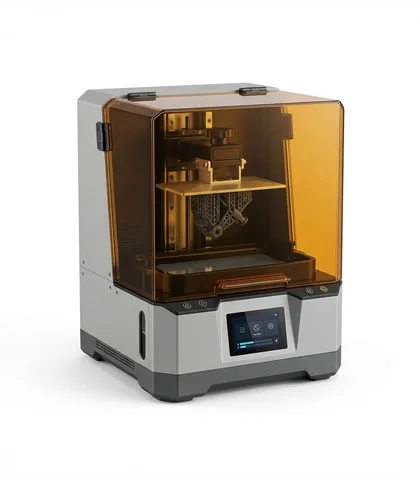
Resin 3D printer with a transparent orange lid.
Illustrative image
1 mm up close 40 layers of 25 µm

Build volumes

  • 200×125×210 mm
  • 353×196×350 mm

Precision (on 1 mm)

  • Layer from 25 to 200 µm
  • Tolerance ±0.15%
  • Minimum detail 46 µm

SLS

Powder sintered by a laser.
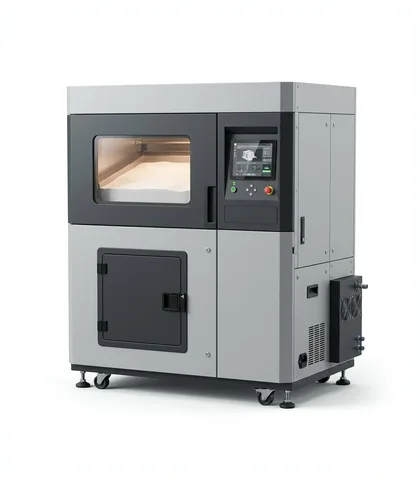
SLS powder machine with a window on the build chamber.
Illustrative image
1 mm up close about 17 layers of 60 µm

Build volumes

  • 165×165×300 mm
  • 260×260×450 mm

Precision (on 1 mm)

  • Layer from 60 to 200 µm
  • Tolerance ±0.3%
  • Minimum detail ±300 µm

LFAM / Pellet

Pellets melted and extruded at high throughput, with a robotic arm or a large-format printer. Large volumes at production speed.
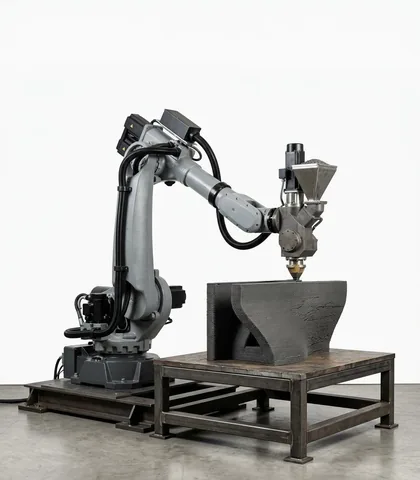
Robotic arm with a pellet extruder printing a large-format part.
Illustrative image

Build volumes

  • Variable format

Precision

  • Variable layer: depends on the system, robotic arm or large-format printer
  • Large-format precision, varies with the nozzle

Projects

Real parts, fitted and tested.

Automotive 2026

AirboxFord Focus ST

  • 3D scanning
  • Design
  • Engineering
  • Consulting

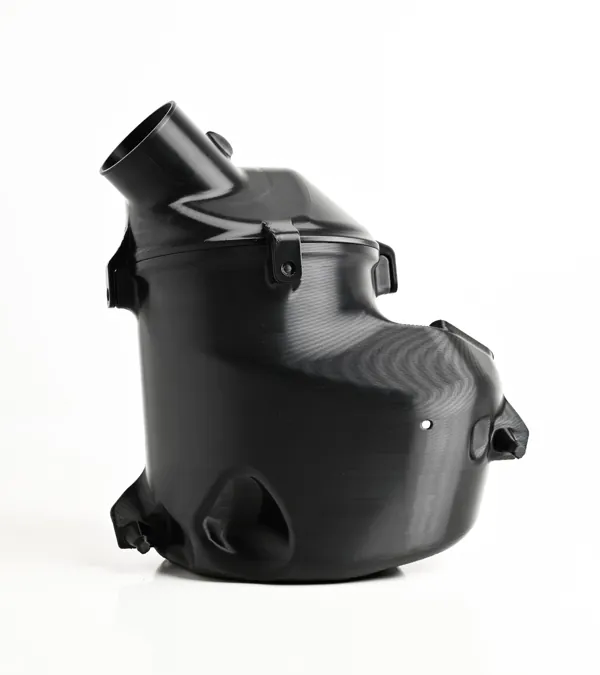
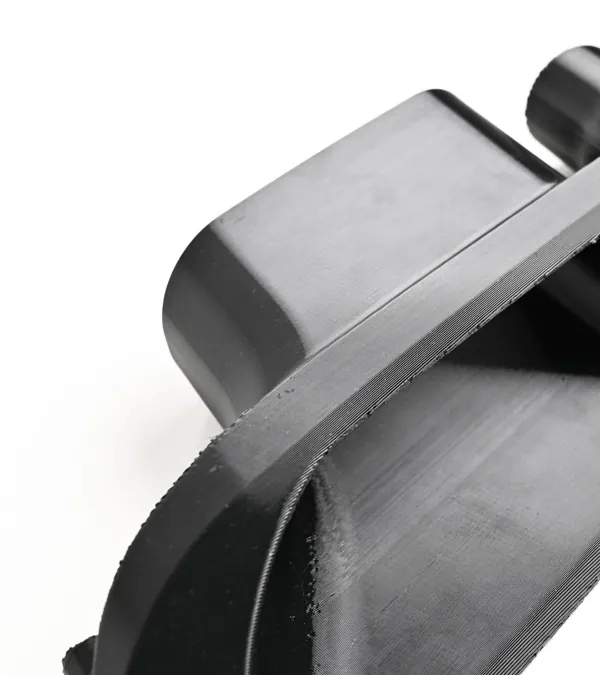
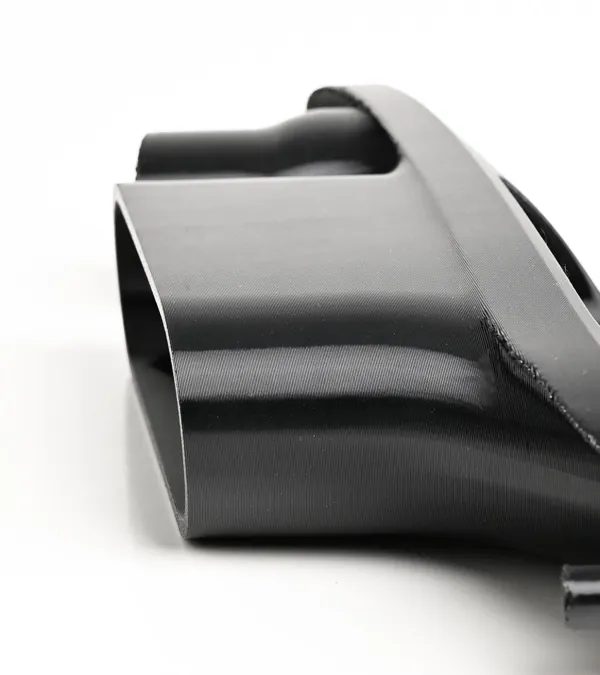
We took the original airbox and improved it, both in its design and in how it works. The goal was not to add horsepower, but to help the engine breathe better: sharper and livelier on the throttle.

The ABS prototypes were tested on the dyno and then on the road, through summer engine heat, winter cold and bad weather: they held up without any failure.

A project developed together with AKAI Vector and a specialist Ford mechanic.

Technology
FDM
Material
ABS for the prototypes · carbon-fibre-filled nylon for the final version
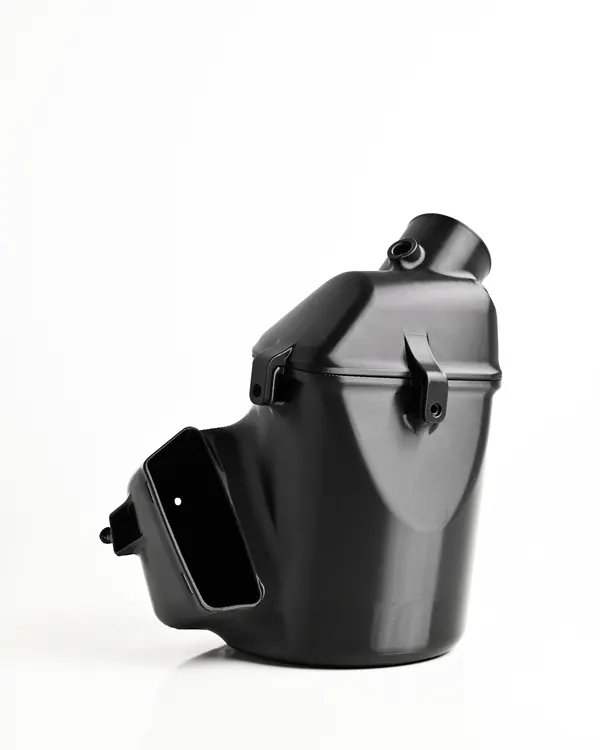
3D-printed black airbox for the Ford Focus ST, photographed at a three-quarter angle on a white background.
Ford Focus ST airbox seen from the side of the rectangular intake mouth.
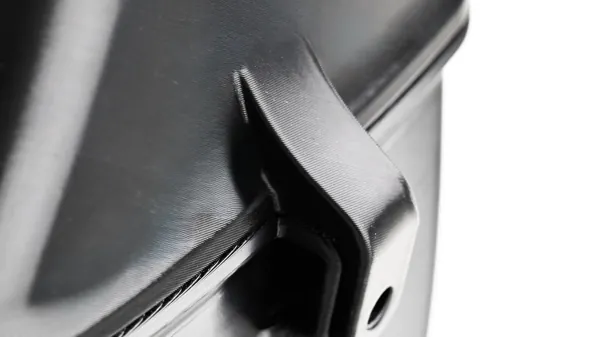
Detail of the airbox side clip, with visible layer lines.
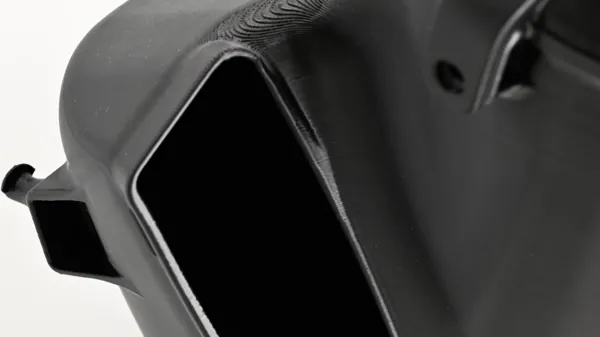
Detail of the airbox's rectangular intake mouth.
Automotive 2026

Air intakeMazda Miata MX-5 NA

  • 3D scanning
  • Reverse engineering
  • Engineering
  • Consulting

Starting from a 3D scan of the original part, we rebuilt and redesigned the component while keeping its footprint and dimensions: it fits the car without modifications.

A single part combines air intakes, indicators and LED dipped-beam lights. The shell is made of an ABS-like material that resists sun and weather; the lamp is in clear, anti-yellowing resin, with a reflector-inspired texture that spreads the light better.

This project was also developed together with AKAI Vector.

Technologies
FDM · Resin
Next step
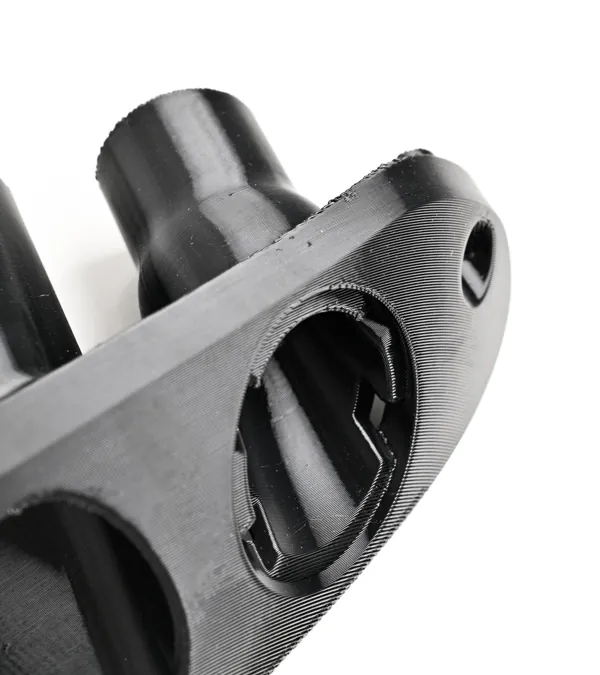
Ducts that carry air from the intakes to the brakes
Close-up of the Mazda MX-5 NA air intake: black edge with the light housings.
Detail of the air intake duct, 3D-printed in black.
Close-up of the air intake duct inlet.
Display model 2026

IcarusDisplay model · Fabbri Group

  • Design
  • Engineering
  • Production
  • Post-processing

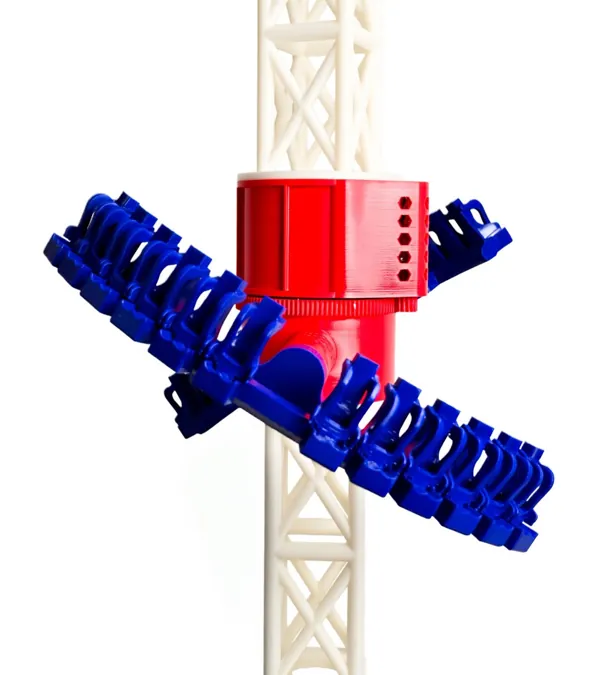
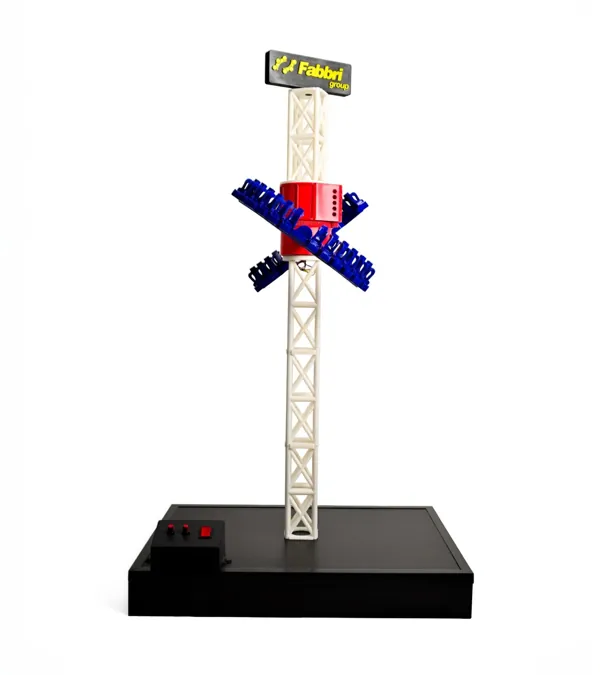
A scale model of an amusement ride, built for trade fairs: exact proportions of the original design and the same movements as the real ride, with speeds scaled down.

Entirely developed and built by MONOM: certified antistatic material, custom-designed gears, an adapted electrical circuit and a final polish. And it is built to travel: it comes apart, packs into its case and is reassembled at every fair.

Material
Certified antistatic
Requirement
Can be dismantled and transported
Scale model of the Icarus ride: arm with blue seats around the red hub, on the white lattice tower.
Complete Icarus model on its black base, with the Fabbri Group sign at the top of the tower.
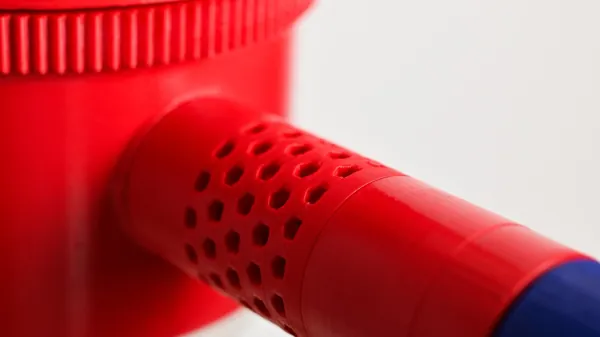
Detail of the red hub of the Icarus model, with its polished surface and ventilation holes.
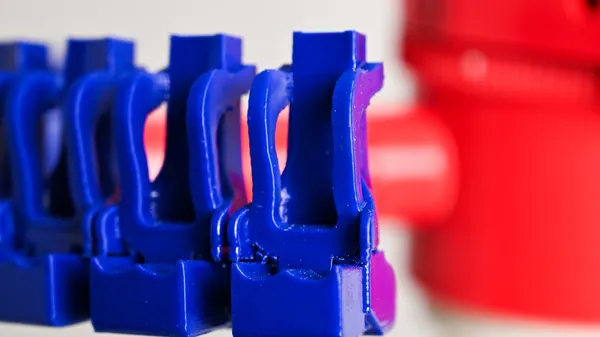
Detail of the blue seats of the Icarus model.

Tell us about your part

Send us a file, a drawing or the part itself. Or tell us about an idea to develop or a problem to solve: we will reply with the best way forward.

What is it about?

What you need, quantity, material or requirements, timing.

STL, STEP, OBJ, 3MF, PDF, images or ZIP · 8 MB maximum. Larger files? Say so in your message and we will send you a link.